Press Brake Forming Guide: How to Bend Different Metals
Press brakes are one of the most versatile machines in any fabrication shop—but not all metals behave the same when forming.
Whether you’re bending mild steel, stainless steel, aluminum, or specialty alloys, understanding how each material reacts under pressure is critical to avoiding cracks, maintaining accuracy, and extending tooling life.
At Sanson Northwest Machinery, we work with shops across the West Coast every day that run into the same issues: incorrect tonnage, wrong tooling selection, and inconsistent bend results—all due to material differences.
Let’s break it down.
1. Mild Steel (A36, HRPO, CRS)

Mild steel is the most forgiving and commonly formed material.
Key Characteristics:
- Good ductility
- Predictable bend behavior
- Minimal springback compared to other metals
Best Practices:
- Use standard V-dies (typically 8x material thickness rule)
- Air bending works well for most applications
- Moderate tonnage required
Watch Out For:
- Scale on hot rolled material can affect accuracy
- Inconsistent thickness in cheaper plate can throw off bends
2. Stainless Steel (304, 316)

Stainless is strong—but less forgiving.
Key Characteristics:
- High tensile strength
- Increased springback
- More prone to cracking
Best Practices:
- Increase bend radius (don’t go too sharp)
- Use larger V-dies than mild steel
- Apply more tonnage
Watch Out For:
- Surface scratching (use protective film or polished tooling)
- Cracking on tight bends, especially across grain direction
3. Aluminum (5052, 6061)
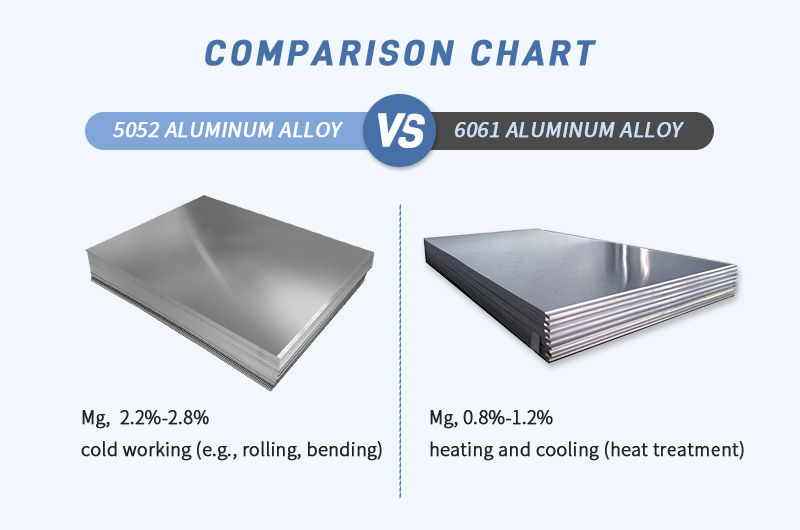
Aluminum varies a lot depending on the grade.
Key Characteristics:
- Lightweight and soft (5052)
- Brittle in some grades (6061-T6)
- High springback
Best Practices:
- Use wider V-dies to reduce cracking
- Consider annealed material for tight bends
- Use radius tooling instead of sharp punches
Watch Out For:
- 6061-T6 cracking easily—this is a big one
- Surface marking (use urethane film or dedicated tooling)
4. High Strength Steel (AR, HSLA, Domex)
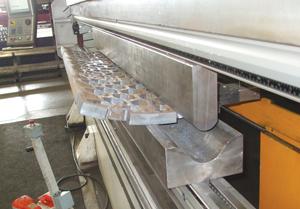
These materials are used in heavy-duty applications—but require serious capability.
Key Characteristics:
- Very high tensile strength
- Significant springback
- Requires high tonnage
Best Practices:
- Use larger bend radii
- Ensure your press brake has enough capacity
- Consider bottom bending or coining for accuracy
Watch Out For:
- Overloading your machine
- Tooling wear and deflection
5. Copper & Brass

Softer metals, but still require attention.
Key Characteristics:
- Very ductile
- Low tonnage required
- Minimal cracking risk
Best Practices:
- Use clean, polished tooling
- Lower tonnage settings
- Air bending is ideal
Watch Out For:
- Surface marking (these materials show everything)
- Galling on tooling
Key Factors That Impact All Materials
Regardless of what you’re forming, these variables matter every time:
1. Grain Direction
- Bending across the grain = stronger bends
- Bending with the grain = higher risk of cracking
2. Inside Bend Radius
- Tighter radius = higher stress
- Always match radius to material type
3. Tooling Selection
- Wrong punch/die = inconsistent results
- Invest in quality tooling (WILA, Wilson, etc.)
4. Tonnage Calculation
- Under-tonnage = incomplete bends
- Over-tonnage = damaged tooling or machine
5. Machine Capability
- Older machines may struggle with repeatability
- CNC press brakes improve accuracy and efficiency
Why This Matters for Your Shop
We’ve seen it firsthand—shops running the same setup across all materials and wondering why parts fail inspection.
The reality is:
- Each material requires a different approach
- Proper setup reduces scrap and rework
- The right machine + tooling = consistent results
If you’re working with a mix of materials (like most shops today), dialing in your press brake process is one of the fastest ways to improve margins.
Need Help With Your Press Brake Setup?
At Sanson Northwest Machinery, we help fabrication shops across Washington, Oregon, and the entire West Coast:
- Dial in press brake tooling and setups
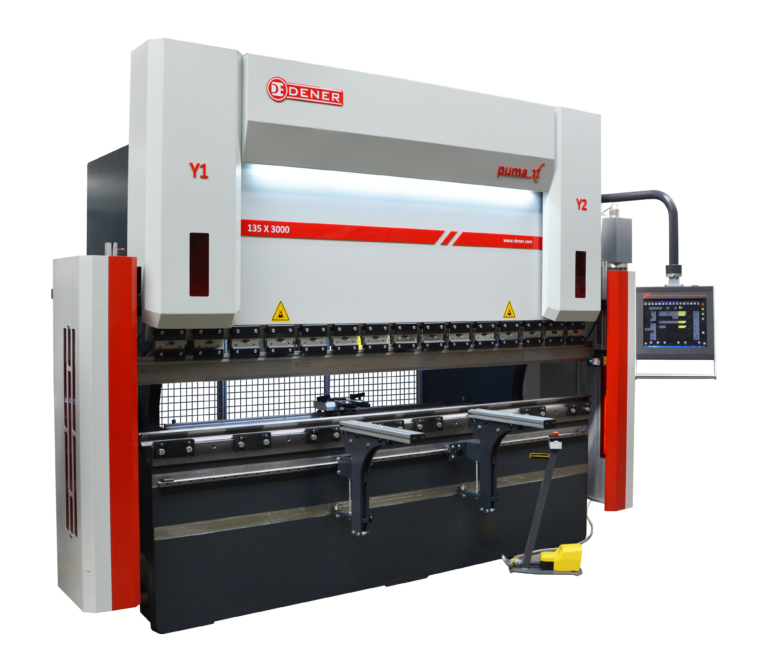
- Source new or used press brakes (including Dener)
- Provide replacement tooling (WILA, Wilson, and more)
- Troubleshoot forming issues
If you’re struggling with inconsistent bends or material cracking—reach out. We can help you get it right.